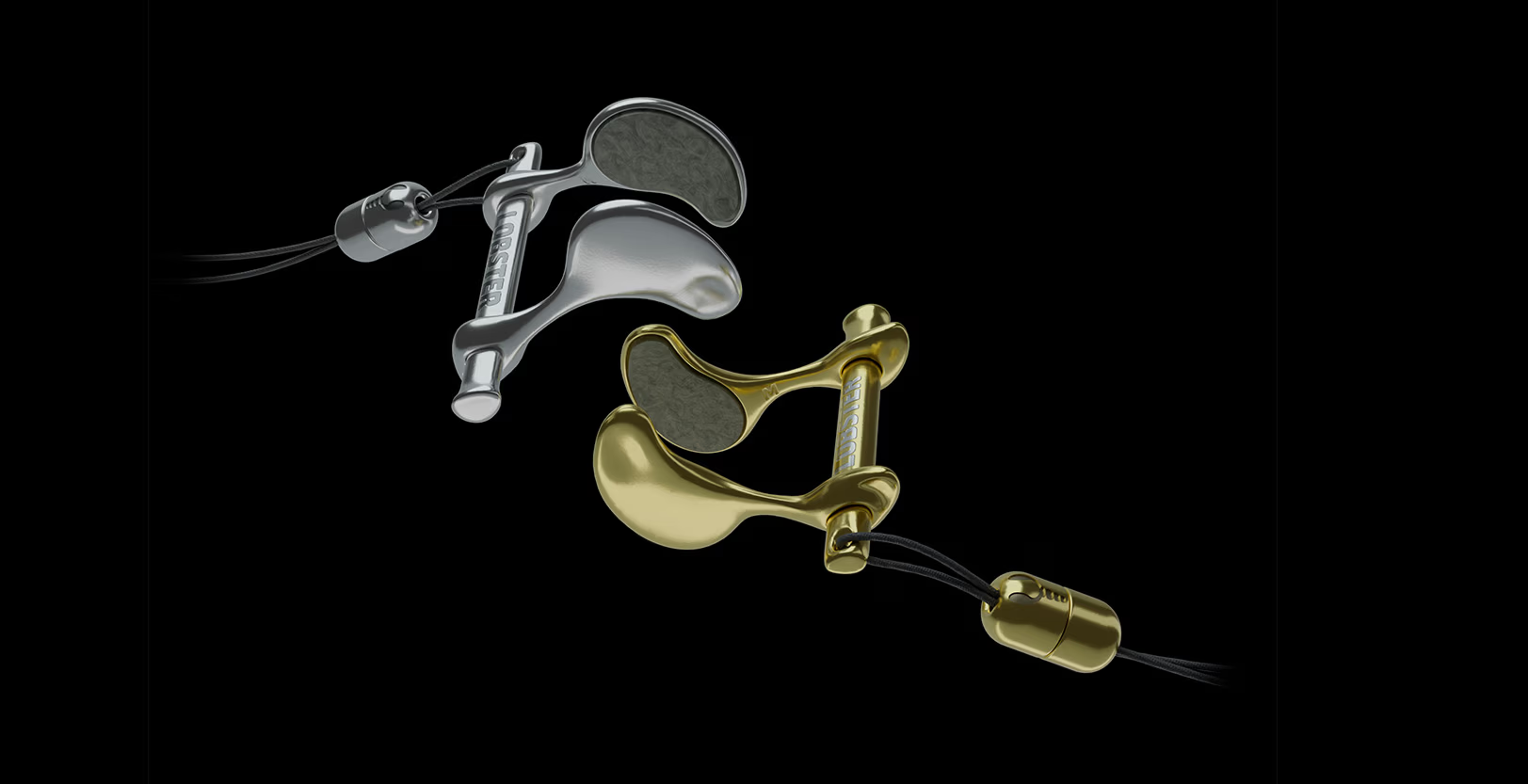
A freediving nose clip is a small piece of equipment, but its fit can make a big difference to your comfort in the water. A clip that slips, pinches too hard, or doesn’t suit your nose can become a distraction during training.
The right choice depends on where you dive, how you use the clip, and how it fits your face. Here’s what to look for before choosing one.
What is a freediving nose clip used for?
A nose clip holds the nostrils closed. In the pool, freedivers may use one to help keep water out of the nose while training with goggles or without a mask.
For depth freediving, some trained divers use a nose clip as part of their equalization setup. It can hold the nostrils closed without using a hand, but the clip does not equalize your ears for you. Equalization is a skill that must be learned and practised with a qualified instructor.
You don’t necessarily need a nose clip to start freediving. Your instructor can help you choose equipment that suits your training and experience.
Pool or depth: choose for the way you dive
Before comparing designs, think about where you’ll use your nose clip most often.
For pool training
During static or dynamic pool sessions, you may wear a nose clip repeatedly or for extended periods. Comfort and a reliable fit are especially useful: you want it to stay in place as you move, turn and surface.
If possible, try the clip with the goggles or other equipment you normally use. Check that the straps and clip don’t interfere with each other.
For depth training
Some trained freedivers use a nose clip to keep their nostrils closed while equalizing their ears without using a hand. The clip does not equalize your ears for you. Equalize early and gently; if you cannot equalize comfortably, stop your descent.
A conventional freediving mask needs air from your nose as you descend. A clip that seals both nostrils can block that airflow and contribute to mask squeeze.
Keep ordinary swimming goggles for surface or shallow horizontal pool training. During a descent, the air trapped around your eyes cannot be equalized and the pressure difference can cause injury. If you are considering eye protection for depth, ask a qualified freediving instructor about equipment designed for that purpose and the training it requires.
Learn any new depth setup with a qualified instructor. For every in-water breath-hold, including pool sessions, have a trained freediving buddy actively watching and close enough to help. Learn more about mask squeeze from Divers Alert Network.
1. Look for a secure, comfortable fit
The best freediving nose clip for you is the one that fits your nose. Nose shapes and sizes vary, so a clip that works for your training partner may not feel the same on you.
When trying a clip, check that it:
- Closes your nostrils without painful pressure.
- Sits securely without slipping as you move your head.
- Feels comfortable on the areas where it touches your nose.
- Can be removed easily when you need to breathe through your nose.
- Works with the rest of your equipment.
A tighter clip is not automatically a better clip. If you have to squeeze it painfully hard to keep it in place, the shape or size may not be right for you.
2. Check the shape and contact points
Nose clips come in different shapes and use different contact surfaces. The width of the clip, the shape of its pads and the area where they touch your nose all affect how it feels.
Look for a design that closes your nostrils securely without uncomfortable pressure on the bridge of your nose. If possible, compare sizes or try a clip at your freediving club before buying.
Pay attention to how the fit feels over time, too. A clip that feels fine for a few seconds may feel different during a longer session.
3. Choose the size for your nose
Some nose clips use one adjustable shape; others are offered in different sizes. If a model comes in sizes, use the manufacturer’s guidance as a starting point and check the fit rather than assuming your usual size will work.
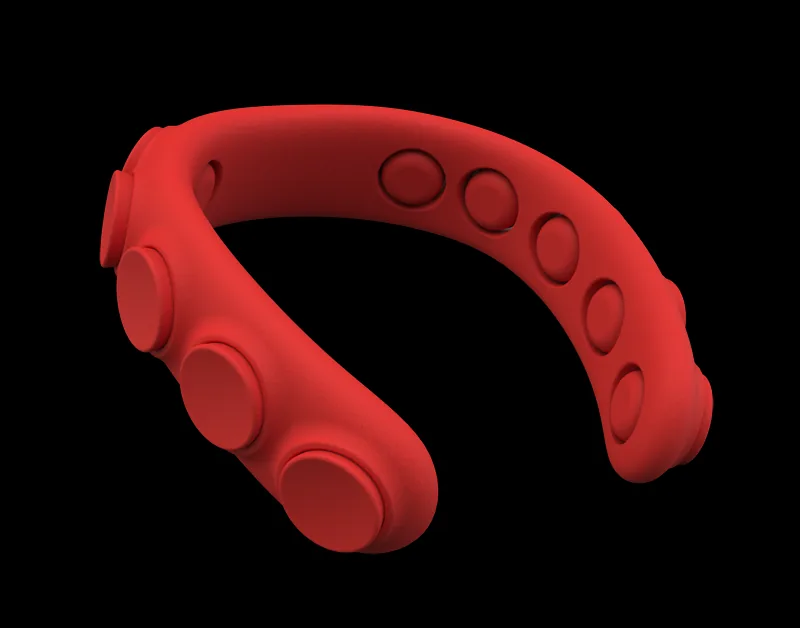
The Lobster Nose Clip is available in Small, Medium and Large. The different sizes are designed for different nose shapes and widths.
If you’re unsure which size to choose, contact the Lobster team or ask whether you can try the clip through a local club or dealer. A good fit should feel secure without causing pain.
4. Consider your full setup
Your nose clip should work with the other equipment you wear, whether that includes goggles for pool training, a hood, or another setup recommended by your instructor.
Before a session, check that:
- The clip sits where you expect it to.
- A hood or strap doesn’t push it out of position.
- You can remove it promptly at the surface.
- Your buddy knows what equipment you’re wearing.
If anything feels uncomfortable or moves unexpectedly, adjust your setup before continuing.
5. Think about care and storage
A nose clip is easy to overlook in a gear bag. After a session, rinse it with fresh water and let it dry before storing it.
Check the contact areas and any strap for wear before use, and follow the manufacturer’s care instructions. Keeping the clip in a suitable case or protected part of your bag can help prevent damage and make it easier to find before training.
Frequently asked questions
Do beginners need a freediving nose clip?
Not necessarily. Many beginners start with a freediving mask and learn the fundamentals with an instructor. A nose clip may become useful later, depending on the type of training and equipment they choose.
Can I use a swimming nose clip for freediving?
Swimming clips and freediving clips vary in shape, fit and intended use. A clip that works for surface swimming may not suit your freediving setup. Ask your instructor what is appropriate for your session, especially if you plan to dive beyond shallow pool training.
Can I wear a nose clip under a diving mask?
A conventional diving mask must be equalized through the nose during descent. A clip that closes the nostrils may prevent this. Don’t combine equipment in a way that stops you from equalizing; ask your instructor about the appropriate setup.
How do I know if my nose clip fits?
It should close your nostrils securely, stay in place as you move and remain comfortable without painful pressure. You should also be able to remove it easily. If it slips or hurts, try another size or shape.
Train with the right safety setup
Never freedive alone, including during pool training. Dive with a trained buddy who is actively supervising and ready to assist. Learn and practise equalization with a qualified instructor, and never force it or continue descending if you cannot equalize comfortably. PADI’s safe diving practices cover these principles.
Find your fit
A nose clip should help you feel comfortable and focused in the water. Take the time to choose a shape and size that suit your nose, your equipment and the type of freediving you practise.