A freediving neck weight is one of the simplest pieces of gear, and one of the easiest to get wrong. Too heavy, too light or the wrong shape, and it pulls you out of position. This guide explains how a freediving neck weight works and what to check before you buy one. It covers both pool training and depth.
Why use a freediving neck weight
When you hold your breath on full lungs, your chest becomes the most buoyant part of your body. The upper body wants to float while the legs sink. As a result, you swim at an angle and fight to stay level. A neck weight adds weight right where the buoyancy is. It brings your body back to a horizontal, streamlined line in the pool. At depth, it also helps you start the descent with less effort.
Many freedivers also use a neck weight to move some of the lead away from the waist. A weight belt sits low and can slide on the hips. Weight on the neck and upper back, on the other hand, keeps the trim of the body more even.
1. Start with your discipline: pool or depth
Pool and depth freediving need different neck weights.
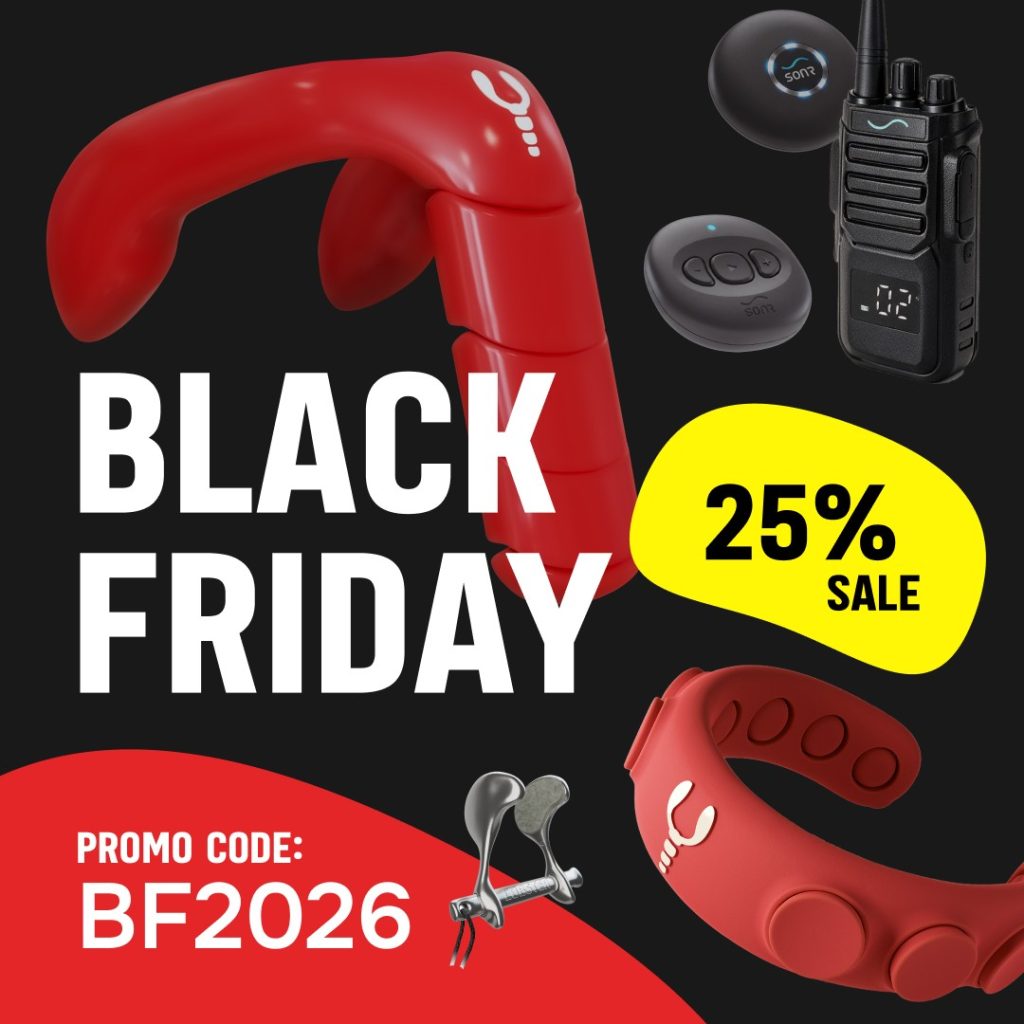
- Pool (DYN, DYNB, DNF, STA). You stay at a shallow, constant depth for the whole dive. For this reason, a pool neck weight is usually heavier and should keep you level during long glides. A design that spreads the weight along the upper back, like the tail of the Lobster neck weight, helps the body stay streamlined instead of letting the weight hang from the neck.
- Depth (CWT, FIM, CNF). You need much less weight, and comfort matters more: you equalise all the way down, turn at the bottom and come back up. A depth neck weight should not press on the throat or the Adam’s apple. It also should not get in the way of equalisation, and it should stay in place on the turn. Squid is open at the front for exactly this reason.
2. Work out how much weight you need
There is no universal number. The right weight depends on your body composition, lung volume, wetsuit thickness and the water. For example, salt water and a thicker suit both make you more buoyant.
- In the pool, aim for neutral buoyancy at your glide depth: you should stay level without sinking to the bottom or drifting up. Start lighter and add weight in small steps.
- At depth, many instructors teach to be neutrally buoyant at around 10 metres, so that you are still positive near the surface. Being too heavy is a safety problem, not a performance gain.
Whatever you dive, test your weighting with a buddy or an instructor. Then adjust it again when you change wetsuit, water or discipline.
3. Fixed or adjustable?
A fixed neck weight is simple and more affordable. It is a good choice if you already know the weight you need and always dive in similar conditions. Lobster XS (1.5, 2.5 or 3.5 kg) and Squid Lite (1, 1.5 or 3 kg) are fixed-weight options.
An adjustable neck weight lets you change the weight with removable segments. This is useful if you train in different pools and wetsuits, switch between disciplines or are still finding your ideal weighting. Lobster adjusts in 100 g steps from 1.5 to 6 kg. Squid adjusts in 50 or 80 g steps from 0.8 to 1.6 kg, and up to 2.2 kg with an extra Squid Heavy.
4. Check how the freediving neck weight fits
- No pressure on your throat and no limits on shoulder movement.
- It should not bump your chin or the back of your head when you turn.
- Stable during the glide and the turn, without flapping or sliding.
- The surface should feel smooth on bare skin and on a wetsuit.
If you can, try a neck weight before you buy it. Many freediving shops, clubs and schools carry Lobster and Squid: see the dealer map.
5. What about a DIY neck weight?
Many freedivers start with a homemade neck weight, often a bicycle tyre or inner tube filled with lead shot. It costs almost nothing. However, the weight is hard to fine-tune and can shift or flap during the dive. It also tends to sit unevenly on the neck. Once you train regularly, a purpose-made freediving neck weight gives you a stable, repeatable position from one session to the next.
6. Safety first
A neck weight adds weight to the most important part of your body for breathing, so treat it with respect. Never freedive alone, always dive with a trained buddy, and make sure you can remove the neck weight quickly. Learn the safety basics with a certified instructor, for example on an AIDA course. For competitions, the ring version of Squid has a simple cord. With it, you can take the weight off fast in an emergency.
Quick checklist: choosing a freediving neck weight
- Pool or depth: choose a neck weight made for your discipline.
- Weight: aim for neutral buoyancy where you dive, start light and adjust in small steps.
- Fixed or adjustable: fixed if you know your weight, adjustable if your conditions change.
- Fit: no pressure on the throat, no bumping on turns, stable in the glide.
- Safety: dive with a buddy and make sure the weight comes off quickly.
Not sure which Lobster suits you? Compare Lobster for the pool, Squid for depth and Lobster XS for beginners, or write to us and we will help you choose.